The Italian Bob Hair Trend
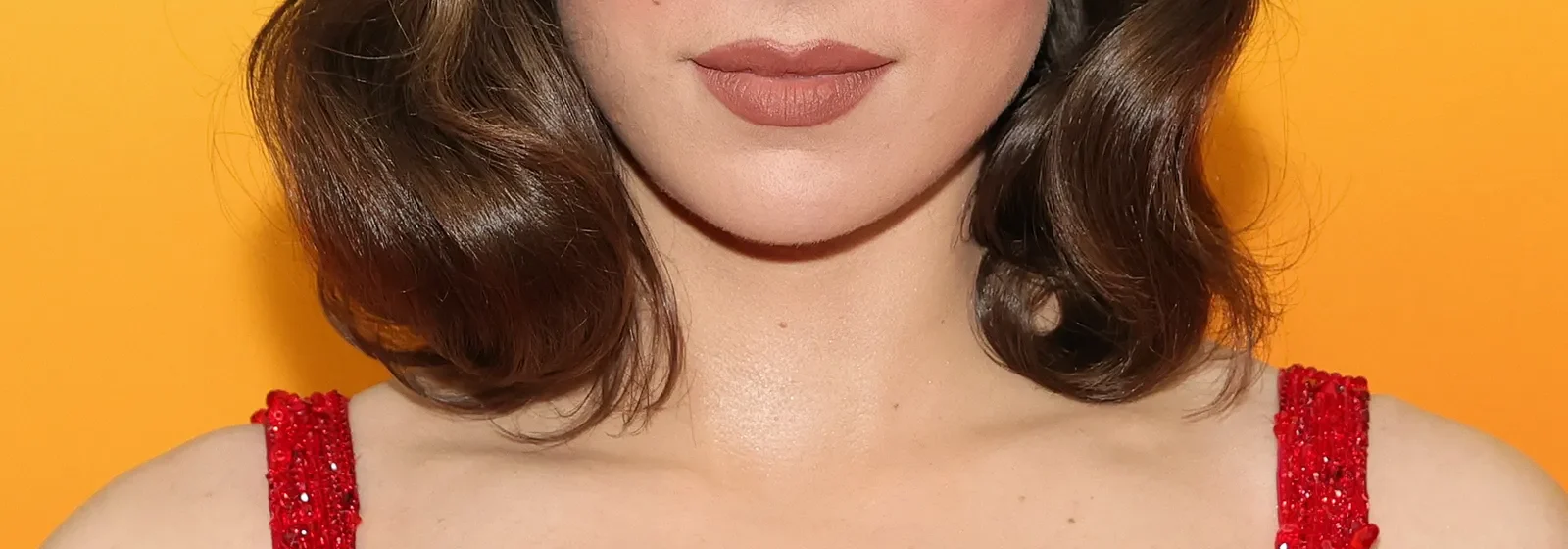
The Italian Bob Hair Trend: Everything You Need to Know Before Booking
If your salon’s waitlist has grown suspiciously long lately, there’s a good chance the Italian bob is to blame. Booking data from flagship salons across Europe and the United States showed a clear surge by early 2026 — clients were no longer asking for blunt, graphic cuts. Instead, they wanted softness with structure, volume without bulk. The Italian bob delivers exactly that.
It’s the haircut that looks like it required no effort, even when it required very precise technique. And in a beauty landscape increasingly drawn to quiet luxury and low-maintenance elegance, that’s an incredibly powerful proposition.
What Exactly Is the Italian Bob?
The Italian bob is a one-length bob with minimal layering and a dense, heavy finish at the ends. It typically hits right at or just below the chin and can be worn with or without fringe. Whether flipped out, curved under, or air-dried with natural texture, it creates maximum impact with minimal effort.
What sets it apart from other bob styles is its weightier, more textured shape — it embraces fullness and volume, often featuring soft face-framing layers and a subtle undercut to remove excess bulk. The look is both luxurious and laid-back, creating movement without too much fuss.
Think windswept Amalfi coastlines, espresso in Milan, channelling Sophia Loren stepping out of a vintage Alfa Romeo. This is a bob with storytelling power.
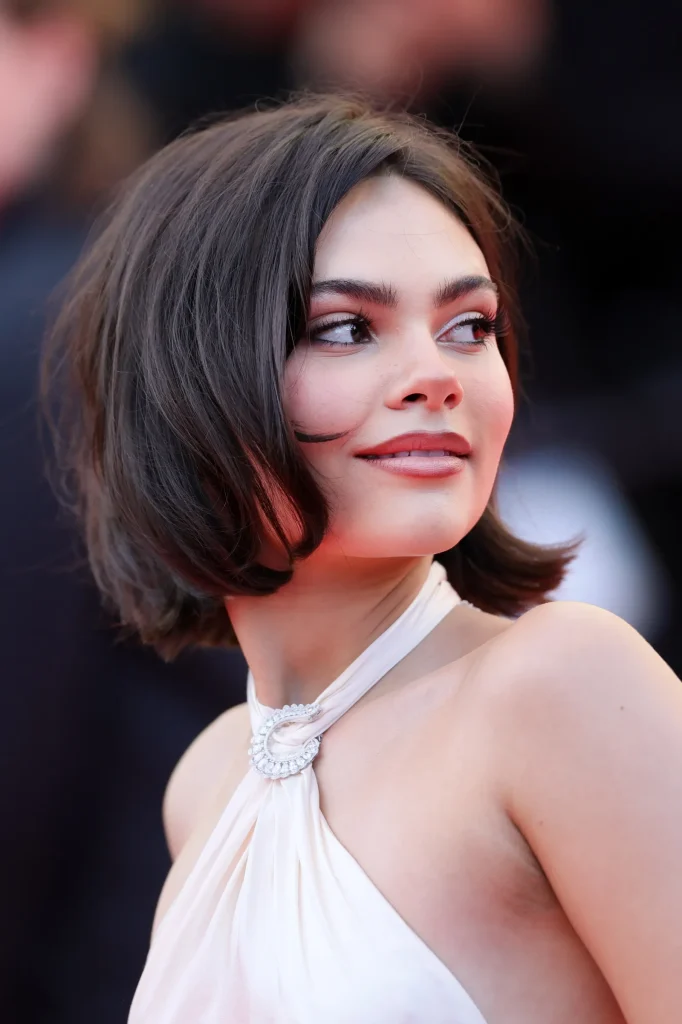
Italian Bob vs. French Bob: What’s the Difference?
The French bob had its moment — short, blunt, very Parisian. The Italian bob is its more relaxed, grown-up cousin. Compared to the French bob, which is typically shorter and more playful, the Italian bob is smoother, softer, and carries a luxurious natural volume that feels effortless — looking styled even when it isn’t.
Where the French bob is precise and deliberate, the Italian bob leans into movement, texture, and a sense that it simply fell into place.
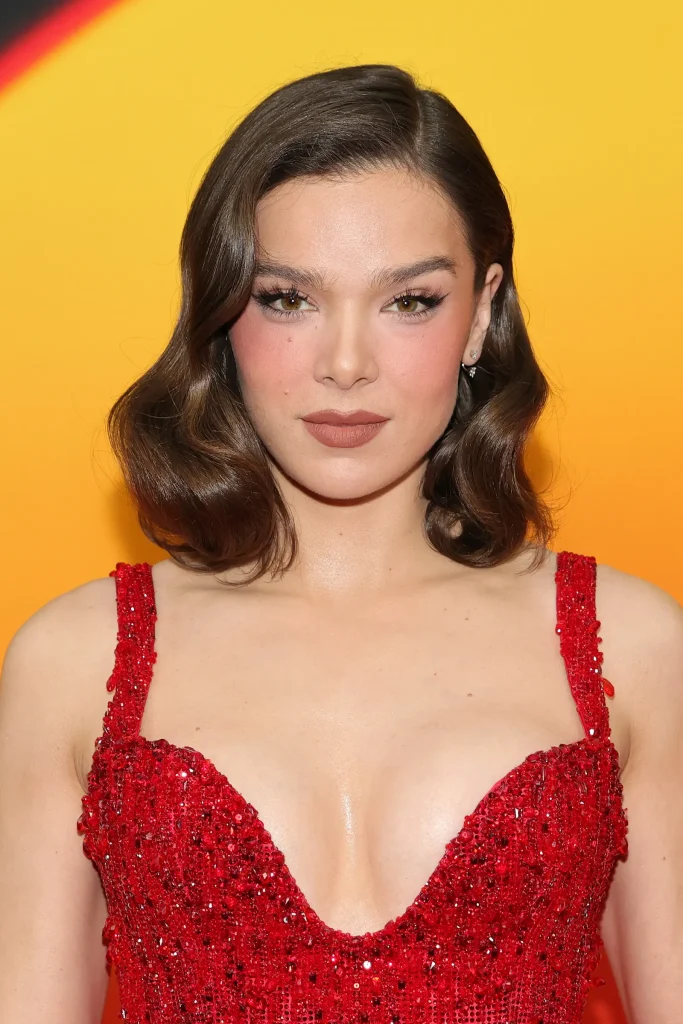
Who Does It Suit?
Almost everyone — which is a large part of why it’s dominating salon chairs. The cut works beautifully on fine hair by adding the illusion of thickness. On thicker textures, it removes bulk while preserving movement. Even wavy and curly hair can be shaped into a flattering Italian bob with the right technique.
Its low-maintenance nature means it grows out beautifully without losing its shape — making it ideal for anyone who doesn’t want to be back at the salon every four weeks. Stylists typically recommend a trim every six to eight weeks to keep the weight line sharp.
The European ideal of sprezzatura — studied nonchalance that appears completely natural — is built into the cut itself. The result feels expensive and intentional even on days when styling takes less than five minutes.
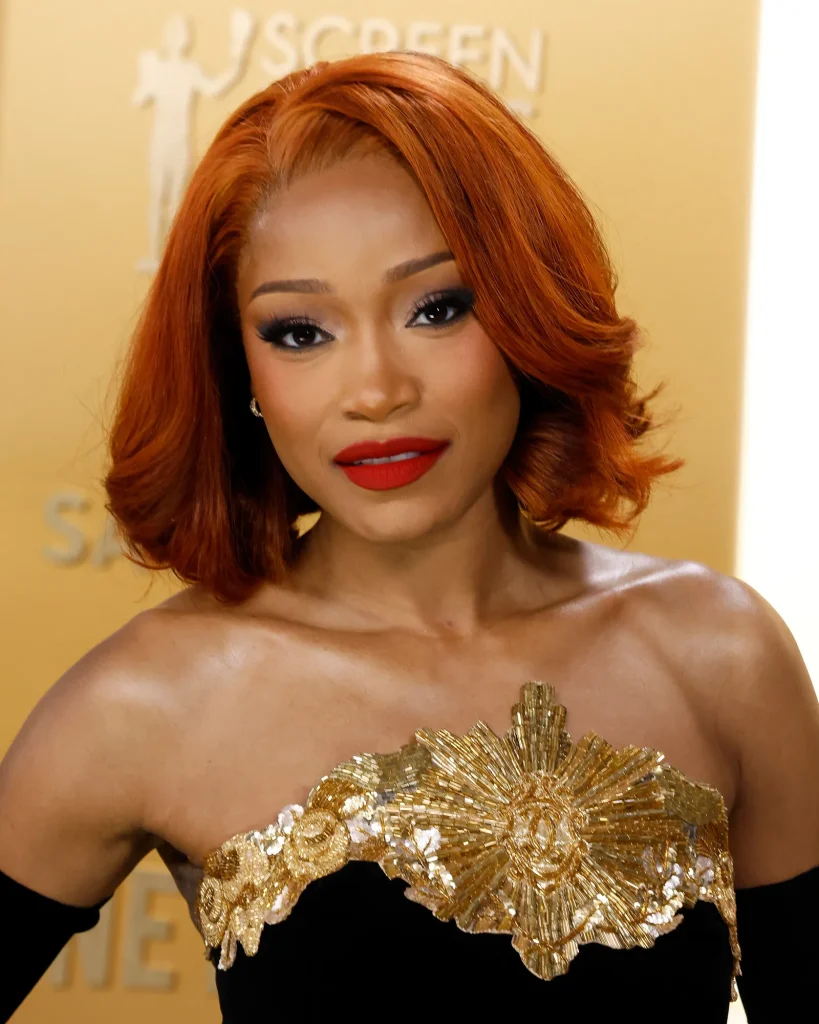
How to Style It
The Italian bob’s real selling point is its adaptability from day to day.
For a tousled, lived-in look: Embrace the cut’s natural fullness by adding loose waves with a large-barrel curling iron, then run fingers through for an undone effect. Finish with a light texturising spray to enhance volume without weight.
For a polished, sleek finish: Straighten with a flat iron, focusing on glossy strands — add a heat protectant before styling and finish with a shine serum for a smooth, high-shine result. This version works beautifully for evening or professional settings.
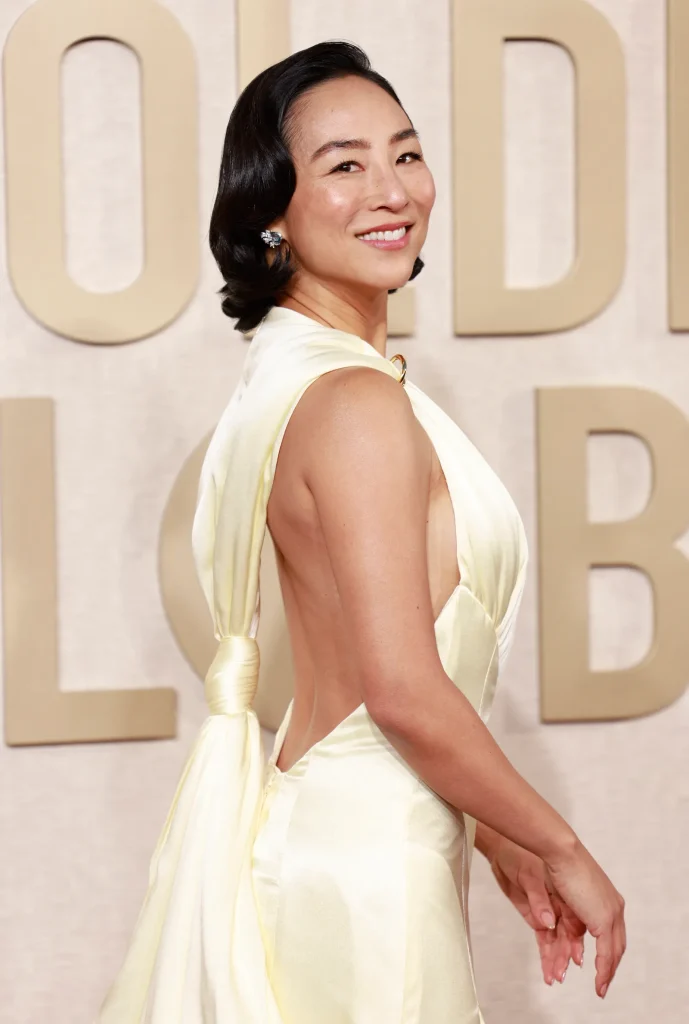
For zero effort mornings: Let the Italian bob air-dry for a naturally textured look. Scrunch a little mousse or sea salt spray into damp hair to enhance natural wave or curl. The weight of the cut holds its shape regardless.
Why It’s Winning Right Now
After years of extreme lengths and high-maintenance styles, many women are craving hair that feels modern yet timeless. The Italian bob delivers exactly that — a cut that frames the face beautifully while requiring minimal daily effort.
It also fits neatly into the broader cultural mood. Fashion week hair trends have wholeheartedly embraced the Italian bob — models walk with soft, voluminous bobs that complement the season’s focus on relaxed tailoring and tactile fabrics. The same cut that looks editorial on the runway settles into an effortless everyday style that requires little maintenance once the initial shape is established.
It is, in short, the rare haircut that genuinely delivers on what it promises: looking effortlessly, expensively, beautifully you.
Before You Book
Bring reference images to your appointment — the Italian bob has enough variation in length, texture, and layering that your stylist will want to understand which end of the spectrum you’re drawn to. Use low tension when cutting the perimeter to allow the hair to drop naturally when air-dried something worth discussing with your stylist to ensure the finish suits your natural texture rather than fighting it.
Explore more hair, beauty, and style guides in our editorial archive.